If you have seen the letters CTFU in a chat and paused to wonder what they mean, you are not alone. The ctfu meaning in text is simple once you know it, and it is all about laughter. In short, CTFU is a strong, informal way to say that something made you laugh very hard.
This guide explains the full form in plain words, shows clean examples from texts and social media, and helps you judge the tone. You will also learn how CTFU compares with LOL, LMAO, and ROFL, and when a softer word works better. By the end, you will know exactly when to use it and when to skip it.
CTFU is casual slang, so context matters a lot. It fits friendly chats and funny comment threads, but it does not fit work emails, school messages, or formal notes. Keep that rule in mind, and the rest of this guide will feel easy.
What Does CTFU Mean in Text

In texting, CTFU means laughing extremely hard, almost to the point of losing control. It is a reaction word, not a word you use to start a serious topic. People send it right after a joke, a meme, a funny photo, or an unexpected story.
Think of it as the top step on the laughter ladder. A small smile might earn a simple “haha,” a good joke might earn LOL, and a truly hilarious moment might earn CTFU. The word signals that the funny moment landed with full force.
Most of the time, CTFU is not literal. The sender is probably smiling at a phone, not actually unable to breathe from laughter. Like LOL, it has become a quick emotional signal that says, “That was really funny.”
CTFU Full Form Explained Letter by Letter
CTFU stands for “cracking the f up.” The first part, “cracking up,” is an old English phrase that means laughing hard. The middle letter adds a swear word for emphasis, which is why the full form is usually written in a censored form online.
Here is the breakdown, letter by letter, in plain terms. C stands for cracking, T stands for the, F stands for a swear word that most writers leave censored, and U stands for up. Put together, the phrase paints a picture of laughter that is hard to stop.
Because of that middle letter, CTFU carries more edge than LOL. It is not a polite term, and it is not neutral. That edge is part of its humor among friends, but it is also the reason to keep it out of professional chats.
How CTFU Is Used in Everyday Chats
People usually use CTFU as a short reaction, often on its own or at the start of a sentence. You might see “CTFU, that was perfect” or “I am CTFU right now.” Both versions mean the same thing: the joke was very funny.
It also works as a reply to a story. If a friend tells you about a funny fail, a reply of CTFU shows that you found it hilarious and that you are engaged in the chat. It keeps the mood light and playful.
CTFU is most common in one to one texts and small group chats. In those settings, everyone usually knows the tone and no one is surprised by casual slang. In larger or mixed groups, a softer reaction may be safer.
CTFU Examples in Texts and Social Media
Clean examples make the meaning clear without any awkward wording. Here are everyday examples that show how CTFU sounds in real chats.
- “Did you see that cat video? I am CTFU.”
- “CTFU, your caption was the best part of that photo.”
- “That blooper reel had me CTFU for ten minutes.”
- “Stop, you have me CTFU in the middle of lunch.”
- “The ending of that video got me CTFU.”
- “CTFU, I was not expecting that plot twist at all.”
Notice how each example pairs CTFU with something funny. The word alone does not explain the joke, so it works best when the funny moment is already clear. Used that way, it feels natural and easy to understand.
If you enjoy this kind of light humor, you may also like our hockey jokes for more laugh out loud moments with friends. Humor lands best when it matches the mood of the chat, and a well timed joke beats a long explanation every time.
CTFU on TikTok, Instagram, and Snapchat
On TikTok, CTFU often appears in comments under funny videos. A viewer might write “The ending got me CTFU” to show that the last few seconds made the whole clip worth watching. It is a fast way to praise a creator without writing a long comment.
On Instagram, you will see CTFU in Reels comments, meme captions, and replies to Stories. It fits the quick, visual style of the app, where reactions matter more than long sentences. Friends also use it in direct messages after sharing a funny Reel.
On Snapchat, chats move fast, so short reactions rule. CTFU works well there as a quick reply to a funny snap or a silly filter photo. The meaning stays the same across all three apps, which is why it travels so easily from one platform to another.
CTFU vs LOL, LMAO, and ROFL
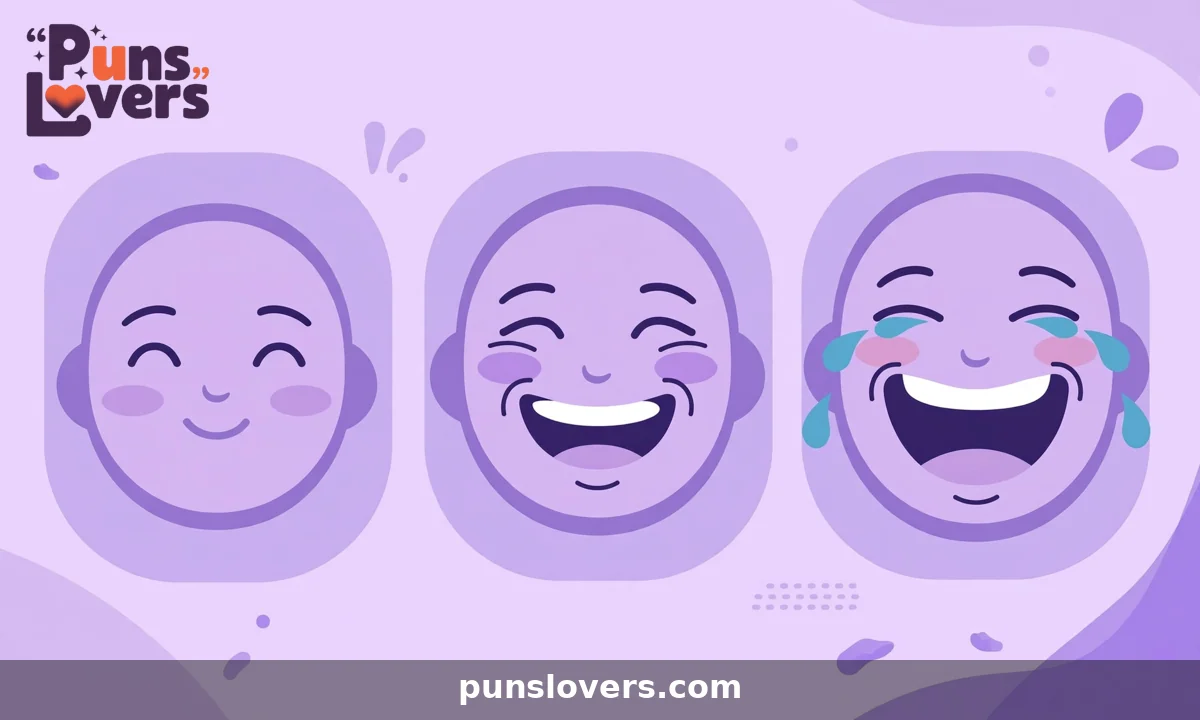
Laughing slang comes in many strengths, and choosing the right one helps your message land well. LOL is light and polite, LMAO is stronger and more informal, and ROFL paints a picture of rolling with laughter. CTFU sits at the strong end of that scale, close to LMAO in energy but with extra edge from its swear word.
The table below gives a quick comparison so you can pick the best word for each moment. Use it as a simple guide, not a strict rule, because tone and friendship matter more than any chart.
| Term | What It Signals | Strength | Best Use |
|---|---|---|---|
| CTFU | Laughing very hard, almost out of control | Very strong | Close friends and funny comment threads |
| LOL | Laughing out loud, often light or polite | Light | Almost any casual chat |
| LMAO | Big laughter, informal and playful | Strong | Friends and casual social media |
| ROFL | Rolling on the floor laughing | Very strong | Funny stories and meme reactions |
| Haha | A simple, warm laugh | Light | Polite chats and gentle humor |
If you are unsure, pick the lighter word. A light laugh never offends anyone, while a strong slang term can feel too bold in the wrong setting. Save CTFU for moments when you are sure the humor and the audience both fit.
The Tone of CTFU: Funny, Bold, and a Little Edgy
Tone is everything with CTFU. Among close friends, it sounds funny, warm, and full of energy. It says that you are relaxed, that you trust the other person, and that you enjoyed the joke a lot.
With strangers, teachers, bosses, or older family members, the same word can sound too bold. The hidden swear word may bother some readers even when the rest of the message is friendly. That gap between funny and edgy is why context matters so much.
A good test is simple. If you would not say the full phrase out loud in that setting, do not type the shortened form either. Your text tone should match the tone you would use face to face with that same person.
Origin and History of CTFU Online
CTFU grew out of early internet chat culture, when short forms helped people type faster and react quickly. The phrase “cracking up” already meant laughing hard in everyday speech, and chat users turned it into a punchy four letter form. Slang dictionaries record CTFU online as early as 2005, and examples appear on Twitter by 2008.
As social media grew, CTFU spread from forums and chat rooms to larger platforms. Meme pages, comment threads, and group chats kept it alive because it packs a big reaction into four letters. Today it is most common in the United States, especially in informal online communities and youth culture.
Like many slang terms, CTFU has stayed informal while LOL has become mainstream. That difference explains why you may see LOL in a work chat but almost never see CTFU there. For a wider look at how online shorthand developed, see this overview of internet slang and its history.
How to Reply When Someone Sends You CTFU
When someone sends you CTFU, they are giving you a compliment in slang form. They are saying that your joke, photo, or story made them laugh a lot. A simple, warm reply keeps the chat moving.
You can reply with a laughing emoji, a short line like “Glad you liked it,” or another funny detail that builds on the joke. You do not need to repeat CTFU back unless it fits your own style. Matching energy matters more than matching the exact word.
If the message makes you uncomfortable, you can steer the chat gently. A reply like “Haha, glad that made you laugh” keeps things friendly without repeating slang you do not like. Good chats respect both humor and comfort.
CTFU Alternatives for Polite and Professional Chats
Sometimes you want the same warm reaction without the edge. Polite alternatives keep your message friendly in any setting, from a class group chat to a message to a coworker you know well.
- “That made me laugh so hard.”
- “I am laughing so much right now.”
- “That was hilarious, thank you for sharing it.”
- “Haha, that made my day.”
- “I cannot stop laughing at that one.”
- “That was the funniest thing I have seen today.”
These lines carry the same joy as CTFU but without any hidden swear word. They work with friends, family, teachers, and coworkers, and they never risk sounding rude. When in doubt, a clear sentence beats a bold abbreviation.
When Not to Use CTFU

There are clear settings where CTFU does not belong. Avoid it in work emails, job applications, messages to teachers or professors, formal announcements, and chats with people you do not know well. In those settings, even a censored swear word can distract from your message.
Also skip CTFU when someone is upset, when the topic is serious, or when humor could feel like mockery. Laughing slang can sound dismissive if the other person is sharing a problem. In those moments, empathy and a kind reply work far better than a joke.
Finally, avoid CTFU in public posts tied to your name if you want a professional image. Future employers, clients, or teachers may read old posts, and casual slang can leave a stronger impression than you intended. A quick pause before posting can save a lot of trouble later.
Is CTFU Rude or Offensive
CTFU is not meant as an insult, but it can still offend some readers. The offense comes from the swear word hidden inside it, not from the laughter itself. Some people dislike any profanity in writing, even in shortened form, while others barely notice it.
Age and setting change the answer too. Among adult friends in a private chat, CTFU is usually seen as playful. Around children, in school, or in a professional space, it can feel rude or careless. Knowing your audience is the best guide.
The safest view is this: CTFU is informal and mildly edgy, not hateful, but not polite either. Treat it like a strong spice. A little adds flavor among friends, but too much in the wrong dish can spoil the meal.
Frequently Asked Questions
What does CTFU mean in text?
CTFU means laughing very hard, and it is a strong, informal reaction to something extremely funny.
What is the full form of CTFU?
The full form is “cracking the f up,” where the middle word is a swear word that writers usually leave censored.
Is CTFU rude?
It is not an insult, but it can sound rude in formal settings because it contains a hidden swear word.
Can I use CTFU at work or school?
No, it is best to avoid CTFU at work or school and use a polite line like “That made me laugh” instead.
What is the difference between CTFU and LMAO?
Both signal strong laughter, but CTFU feels a little bolder because of its swear word, while LMAO is more widely used.
How do you reply to CTFU?
Reply warmly with a laugh, a thank you, or another funny detail, since CTFU means your message made someone laugh a lot.
Does CTFU mean anything else?
Rarely, some people use it for phrases like “cheer the f up,” but the laughing meaning is far more common in texts.
Conclusion
CTFU is a short, bold way to say that something made you laugh very hard among friends. Its full form explains the energy, its tone explains the edge, and its history shows why it stays informal online. Use it in friendly chats where the humor is clear, and you will sound natural and engaged.
When the setting is formal, professional, or new, choose a softer laugh instead and keep the warmth without the risk. That simple choice protects your message, respects your reader, and still lets your humor shine through clearly.

We are passionate about wordplay and spreading smiles through witty content. Backed by 5 years of experien . PunsLovers.com is your go-to hub for humor.









1 thought on “CTFU Meaning in Text: What It Means, How to Use It, and When to Skip It”