Have you ever received a short message that ended with WBU and wondered what the sender wanted from you? The wbu meaning in text is simple, friendly, and very common in everyday chats. WBU stands for “What About You?” and it is a quick way to turn a question back to the other person.
In this guide, you will learn the full form of WBU, see real examples from texts and social media, and understand the tone behind it. You will also learn how WBU compares with similar slang like HBU and WBY, how to reply with confidence, and when to skip it and use full words instead.
Think of WBU as a small sign of interest. It says, “I have shared my side, and now I want to hear yours.” Once you know that, using it well becomes easy.
What Does WBU Mean in Text
In texting, WBU means “What About You?” People use it right after sharing something about themselves, so the other person can share the same kind of detail back. It keeps a chat balanced instead of one sided.
For example, if a friend writes, “I am having a lazy Sunday at home, WBU?” they are really asking, “What are you doing today?” The three letters do the work of a full question, but in a relaxed and casual way.
WBU works best as a follow up question. It rarely starts a chat on its own. It usually appears at the end of a message, after an answer, an opinion, or a small life update.
WBU Full Form: What About You
The full form of WBU is “What About You?” The letter W stands for what, B stands for about, and U stands for you. In casual typing, “about” is often shortened to “bout,” which is how W, B, and U came together.
Unlike some slang terms, WBU has one clear and widely accepted meaning. You do not need to guess between several options. In almost every chat, WBU means the same friendly question.
There is one rare exception outside of texting. A few schools and groups use WBU as an abbreviation for their own names, such as Wayland Baptist University. In a text chat, though, that meaning almost never applies, and context makes the intent clear.
How WBU Is Used in Everyday Chats
WBU is used to return a question. Someone asks how you are, you answer, and then you add WBU to ask the same thing back. That simple move keeps the conversation moving and shows that you care about the other person too.
It also works when the topic is plans, feelings, or opinions. You can share your weekend plan and add WBU, share your view on a movie and add WBU, or say how your day went and add WBU. In each case, you invite the other person to share their side.
Most people type WBU in lowercase as “wbu” in casual chats, while others use capitals as “WBU.” Both forms mean the same thing. Lowercase feels a little more relaxed, while capitals can feel a little more direct.
WBU Examples in Real Conversations
Real examples make WBU easy to understand. Here are everyday chats where WBU fits naturally and keeps things friendly.
- “I just finished my workout, WBU?” This asks what the other person has been doing.
- “I am craving pizza tonight, WBU?” This asks about food plans in a light and fun way.
- “I loved that new song, WBU?” This asks for an opinion after sharing your own.
- “I had a long day at work, WBU?” This asks how the other person’s day went.
- “I am staying in this weekend, WBU?” This asks about weekend plans without sounding formal.
- “I finally finished that show, WBU, did you watch the last episode?” This mixes an update with a question.
Notice the pattern in every example. The sender shares first, then asks back. That order is what makes WBU feel polite rather than nosy. It gives before it asks.
WBU Meaning on Social Media
WBU is common on WhatsApp, Instagram, Snapchat, TikTok, and Facebook Messenger. It shows up in direct messages, comments, and replies where people talk in a fast and informal style.
On Instagram, a fan might comment, “This song is on repeat for me, WBU?” On Snapchat, a friend might send, “Just got back from class, WBU?” On TikTok, a viewer might reply, “I laughed so hard at this, WBU?” Each use asks the same friendly question in a different place.
WBU also appears in group chats, where it can ask the whole group at once. A message like, “I am free on Saturday, WBU all?” invites everyone to share their plans. In a group, it is a fast way to check who is in and who is busy.
WBU vs HBU vs WBY: What Is the Difference
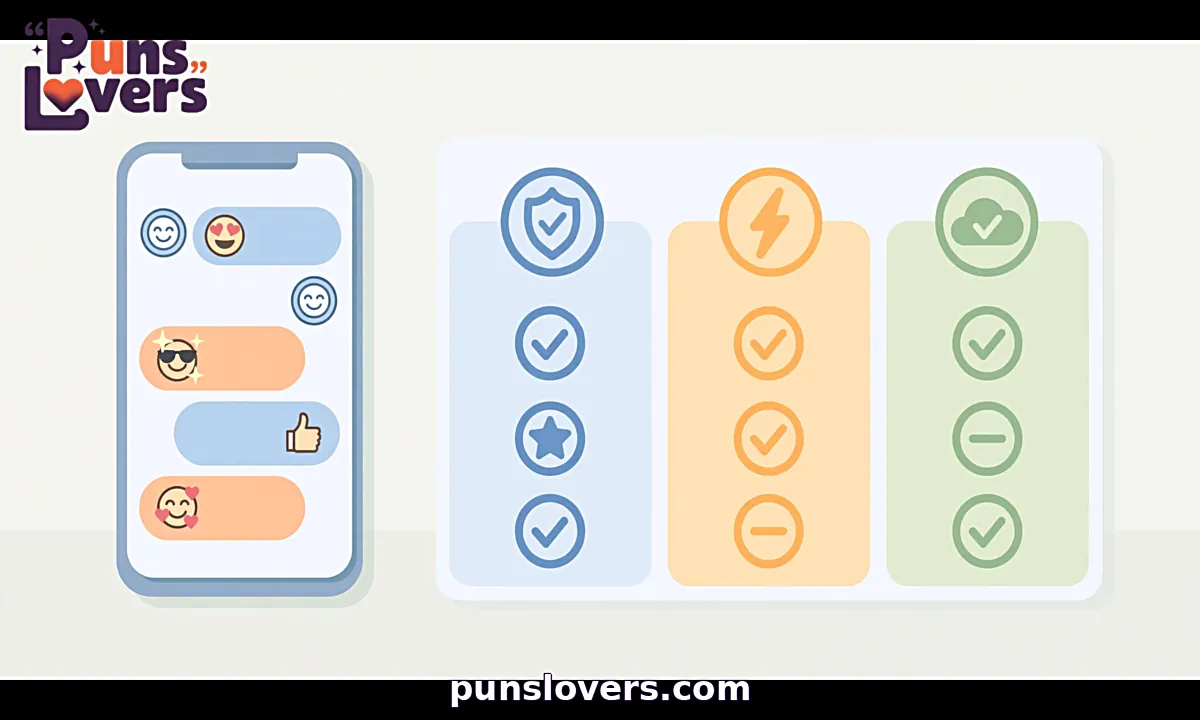
WBU, HBU, and WBY look alike, and they are often used in the same way. The differences are small, but knowing them helps you pick the most natural option for each chat.
| Slang | Full Form | Tone | Best Use |
|---|---|---|---|
| WBU | What About You? | Friendly and casual | Returning a question after sharing your side |
| HBU | How About You? | Friendly and slightly softer | Asking how someone feels or what they think |
| WBY | What Bout You? | Very relaxed and playful | Casual chats with close friends |
| WYD | What Are You Doing? | Casual and direct | Asking about current activity only |
In practice, WBU and HBU are close enough to swap in most chats. WBU leans a little more toward plans and opinions, while HBU leans a little more toward feelings and mood. WBY is the most relaxed of the three, so save it for close friends.
If you are unsure which one to use, WBU is the safest pick. It is the most widely recognized, and almost every English speaking texter will understand it at once.
The Tone of WBU: Friendly, Casual, Never Formal
The tone of WBU is warm and informal. It signals that you are relaxed, open, and happy to keep talking. It does not sound cold, and it does not sound pushy when it follows a genuine share of your own.
That said, WBU is not rude, and it is not slang with a hidden or negative meaning. Parents and teachers do not need to worry when they see it in a friendly chat. It is simply a shortcut for a polite question.
Tone still depends on timing. If a friend shares sad news and you reply with only “WBU,” it can sound careless. A kinder reply adds empathy first, such as, “Sorry to hear that, WBU, do you want to talk about it?” A few extra words change the whole feeling.
How to Reply When Someone Sends WBU
Replying to WBU is easy. Just answer the question that came before it. If they asked about your day, tell them about your day. If they asked about plans, share your plans. Short and honest answers work best.
- “Pretty good, just relaxing at home.” This is simple, warm, and easy to build on.
- “Same here, just catching up on shows.” This matches their energy and keeps the chat going.
- “Not much, but I am excited for the weekend.” This adds a small detail that invites a next question.
- “Busy day, but a good one. How was yours?” This answers and returns the question in full words.
Avoid one word replies like “good” with nothing after them. They can end a chat fast, even when you do not mean to. Add one small detail, and the other person has something to reply to.
If you want to learn more short forms like this one, our guide to GTFO meaning in text explains another popular texting abbreviation in the same simple style.
WBU Alternatives for Every Situation
Sometimes full words fit better than slang. The table below gives you strong alternatives for friendly chats, polite messages, and work settings.
| Situation | Say This Instead | Why It Works |
|---|---|---|
| Casual chat with friends | How about you? | Natural, warm, and easy to understand |
| Polite message to someone older | What about yourself? | Respectful without sounding stiff |
| Work or school message | How about you, and how is your side going? | Professional, clear, and complete |
| Asking for an opinion | What do you think? | Direct and focused on the topic |
| Checking plans | What are your plans? | Clear and free of slang |
For a full list of casual options, “How about you?” is the closest match to WBU. It carries the same friendly meaning, and it works in speech as well as in writing.
When Not to Use WBU

WBU does not fit every message. In formal settings, slang can make you sound careless, even when your intent is friendly. Skip WBU in job applications, work emails, messages to a teacher, and any serious or sensitive conversation.
Also skip WBU when the topic needs care. If someone is upset, grieving, or sharing a problem, lead with empathy and full words first. A rushed “WBU” after sad news can feel like you are not listening.
Finally, avoid WBU when talking to someone who may not know texting slang. Older relatives, new contacts, and people who speak English as a second language may find full words clearer. In those chats, “What about you?” is always the better choice.
WBU Origin: A Short History of Texting Slang
WBU grew out of early online chat rooms and text messaging in the late 1990s and early 2000s. Back then, text messages had tight character limits, and every letter counted. Short forms like LOL, BRB, HBU, and WBU helped people type faster and say more with less.
As phones improved, the character limit faded, but the habit stayed. WBU moved from AOL Messenger and Yahoo Chat to WhatsApp, Instagram, Snapchat, and TikTok, where it is still part of everyday internet slang today.
Its staying power is easy to explain. WBU is short, clear, and polite in tone. It solves a real chat problem, which is how to ask back without typing a full sentence, and it does so without losing warmth.
Frequently Asked Questions
What does WBU mean in text?
WBU means “What About You?” It is a casual way to return a question after sharing your own answer, feeling, or plan.
Is WBU rude or polite?
WBU is polite and friendly in casual chats. It shows interest in the other person, but it should follow a kind share of your own first.
What is the difference between WBU and HBU?
WBU means “What About You?” and HBU means “How About You?” They are close in meaning, and most people use them in the same way.
Can I use WBU in a work email?
No, avoid WBU in work emails and formal messages. Use “How about you?” or “What about yourself?” instead for a professional tone.
What does WBU mean on Snapchat and Instagram?
On Snapchat and Instagram, WBU means the same thing as in texts. It asks the other person to share their side in a direct message or reply.
How do you reply to WBU?
Answer the question that came before it, add one small detail, and keep the tone friendly. Short honest answers keep the chat going well.
Is WBU only used by young people?
No, WBU is used by people of all ages in casual chats. It started with younger texters, but it is now common across age groups online.
Conclusion
WBU is a small shortcut with a warm job. It means “What About You?” and it turns a one sided update into a real two way chat. Use it with friends, in casual messages, and on social media, and pair it with a genuine share of your own.
Skip it in formal, serious, or professional messages, where full words show more care. Keep that simple rule in mind, and WBU will always land the right way. Now your turn, share your day, add WBU, and keep the conversation going.

We are passionate about wordplay and spreading smiles through witty content. Backed by 5 years of experien . PunsLovers.com is your go-to hub for humor.









1 thought on “WBU Meaning in Text: What It Means, How to Use It, and How to Reply”